
Our original concept for our covers was to use art that resembled the changing seasons in the Crosstimbers Forest. For the earliest issues, we purchased artwork of oak forests from sites like Creative.Fabrica.Com that provide an online market for artists.
It soon became apparent that the art we were purchasing was, in fact, AI-generated. Since it rarely met our needs, we often used Photoshop and, later, AI tools to modify the art we’d purchased to get a cover closer to our needs.
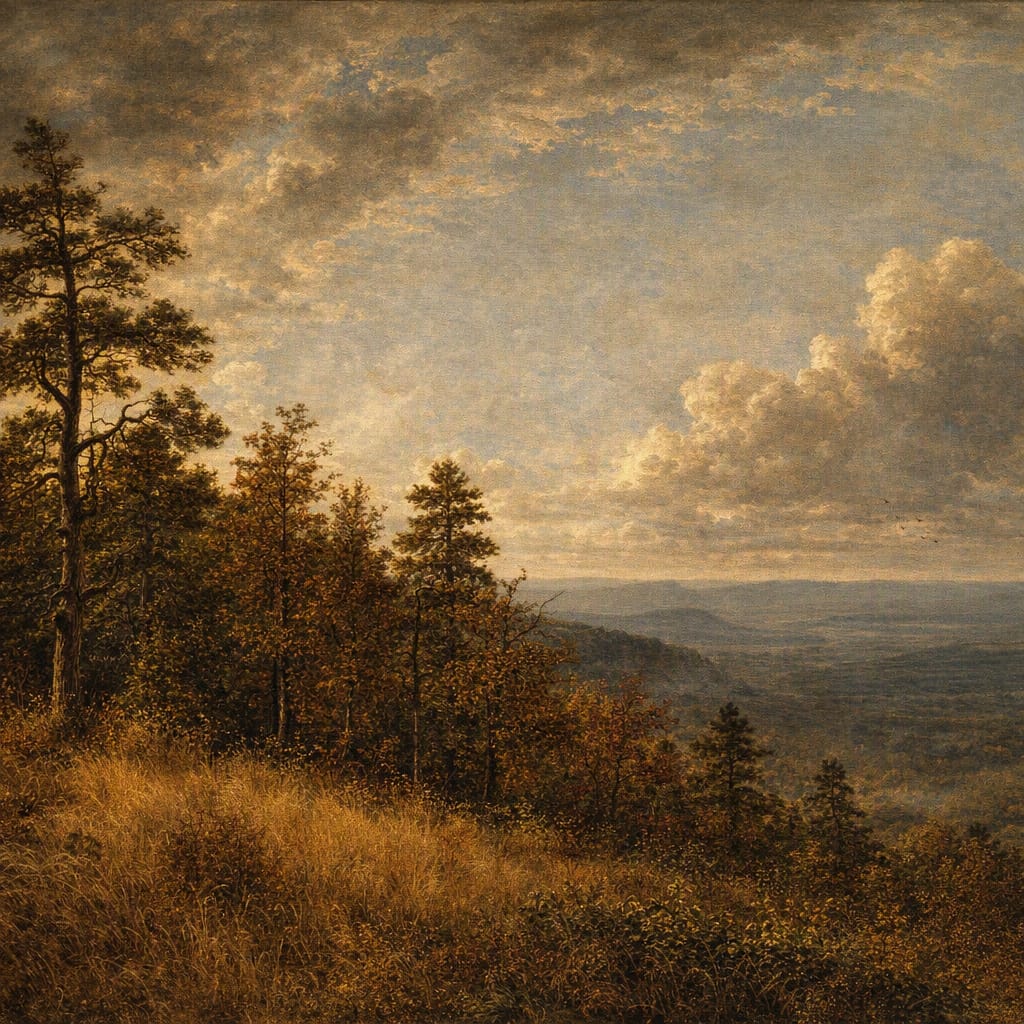
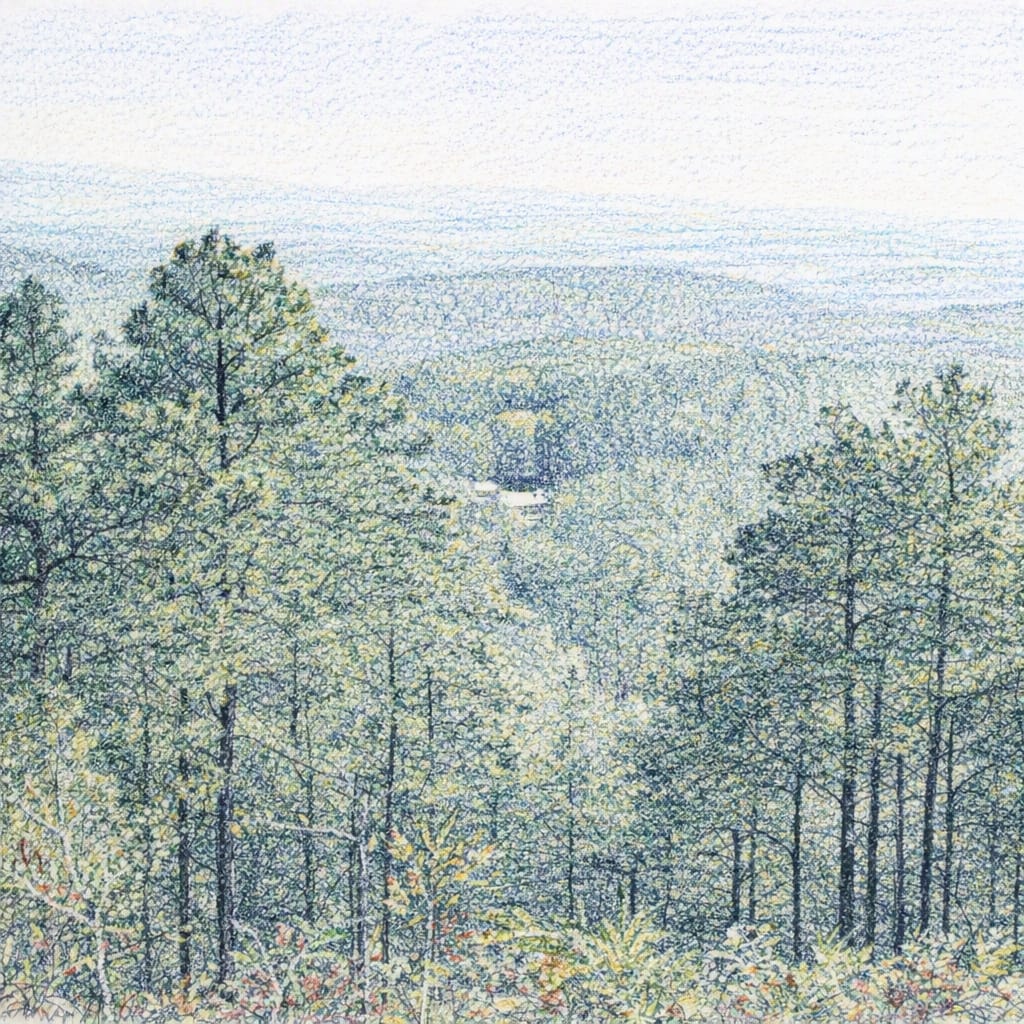
Beginning with the Fall 2006 issue, we have taken a somewhat new approach. Our partner, Gene Wiseman, is a skilled artist who uses his talents at composition not only on the canvas but in photography. He’s taken a number of landscapes of the actual Crosstimbers Forest, so I started with one of these. However, given the nature of the publication, I didn’t want a photograph for the cover, so I used AI to retouch it in the style of the Hudson Valley School, a group of nineteenth century landscape artists. The original photo and the retouched versions are below.
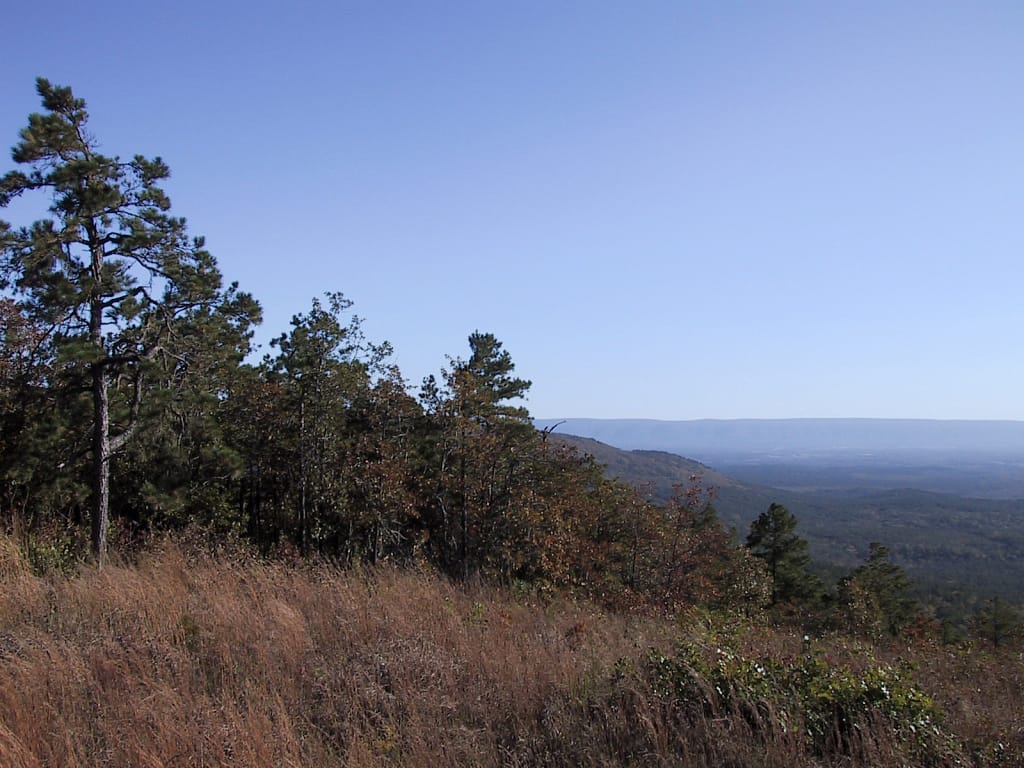
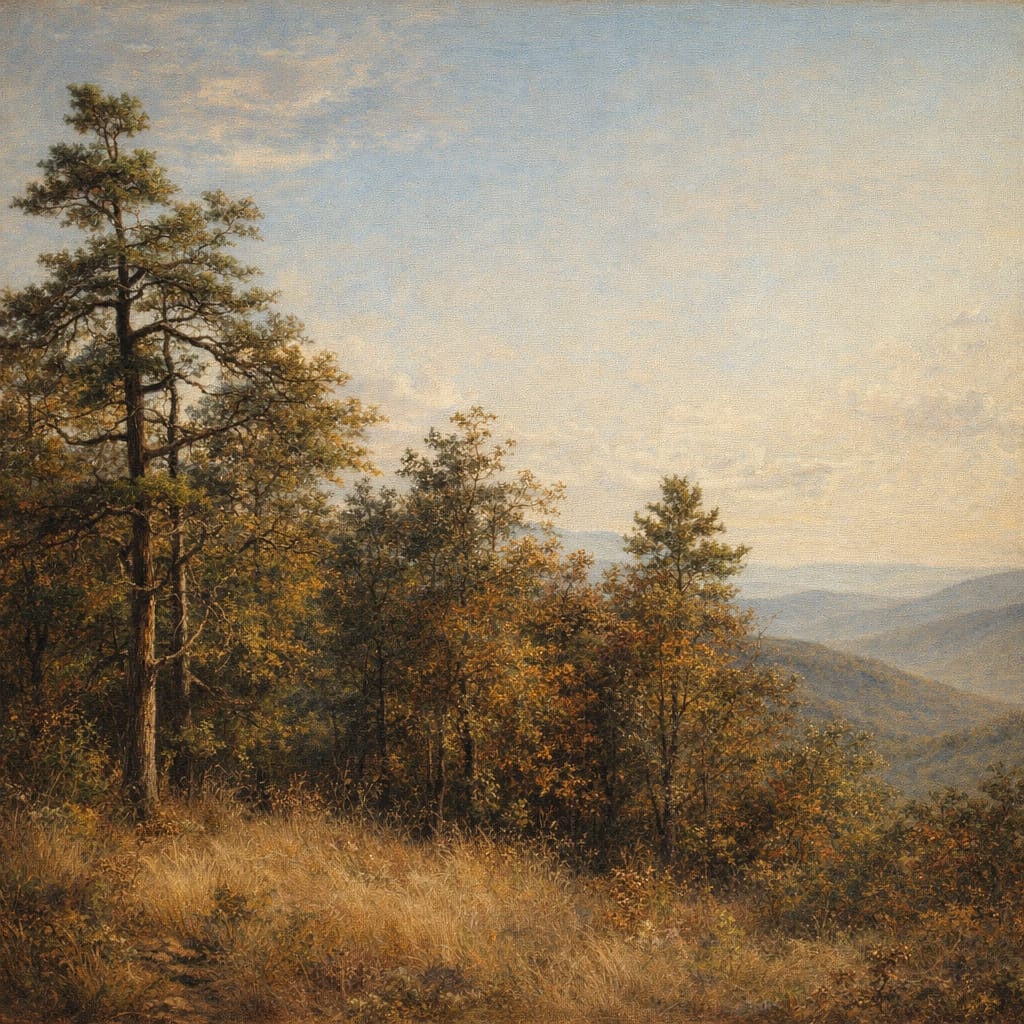
This is the starting place for what will be the cover on the Fall 2006 issue. Once we’ve finalized the issue and selected the lead story, we will interact with the author of that story to add an element to the cover that reflects something in the story.
I liked the above cover so much, I wished that we had a similar photograph for the winter issue. Then it dawned on me that I could possibly use AI to transform the above to winter, spring, and summer. Indeed, all staying with the Hudson Valley School overall style, I got these.
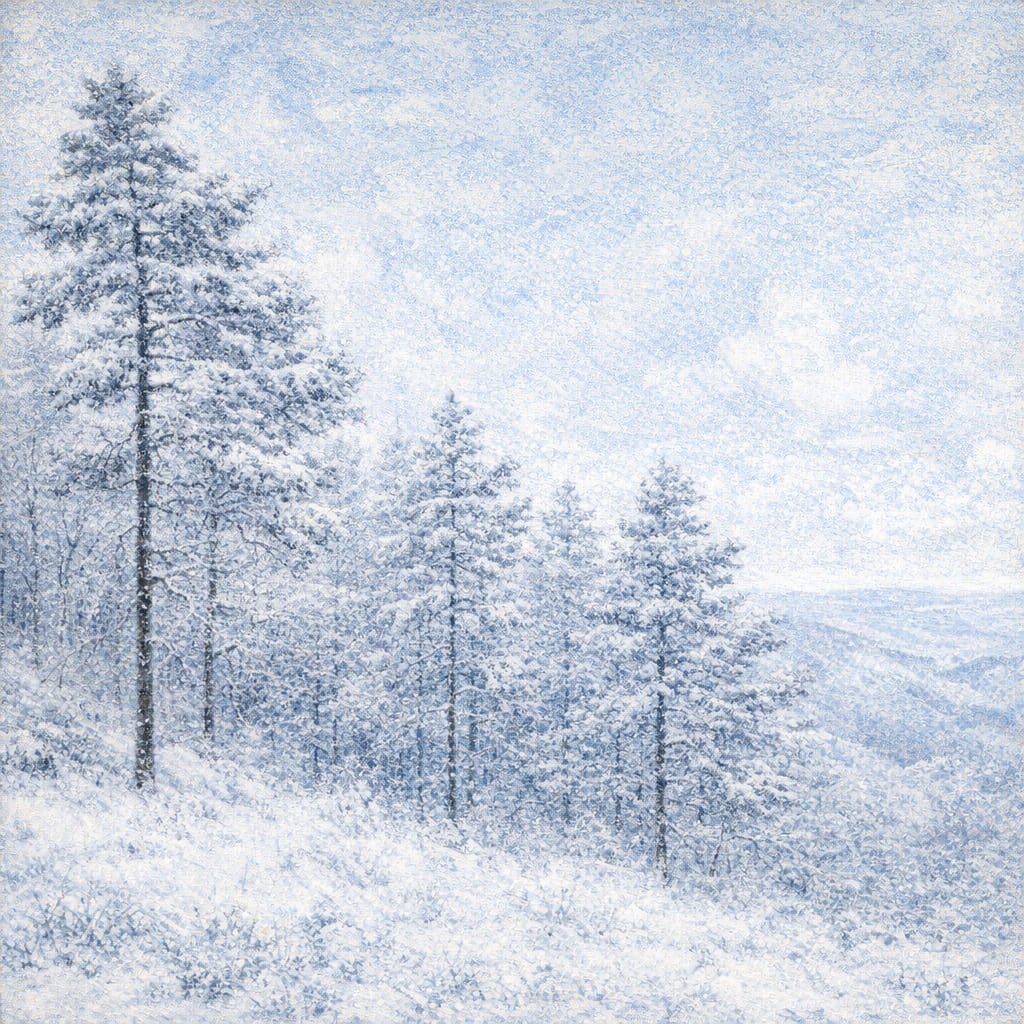
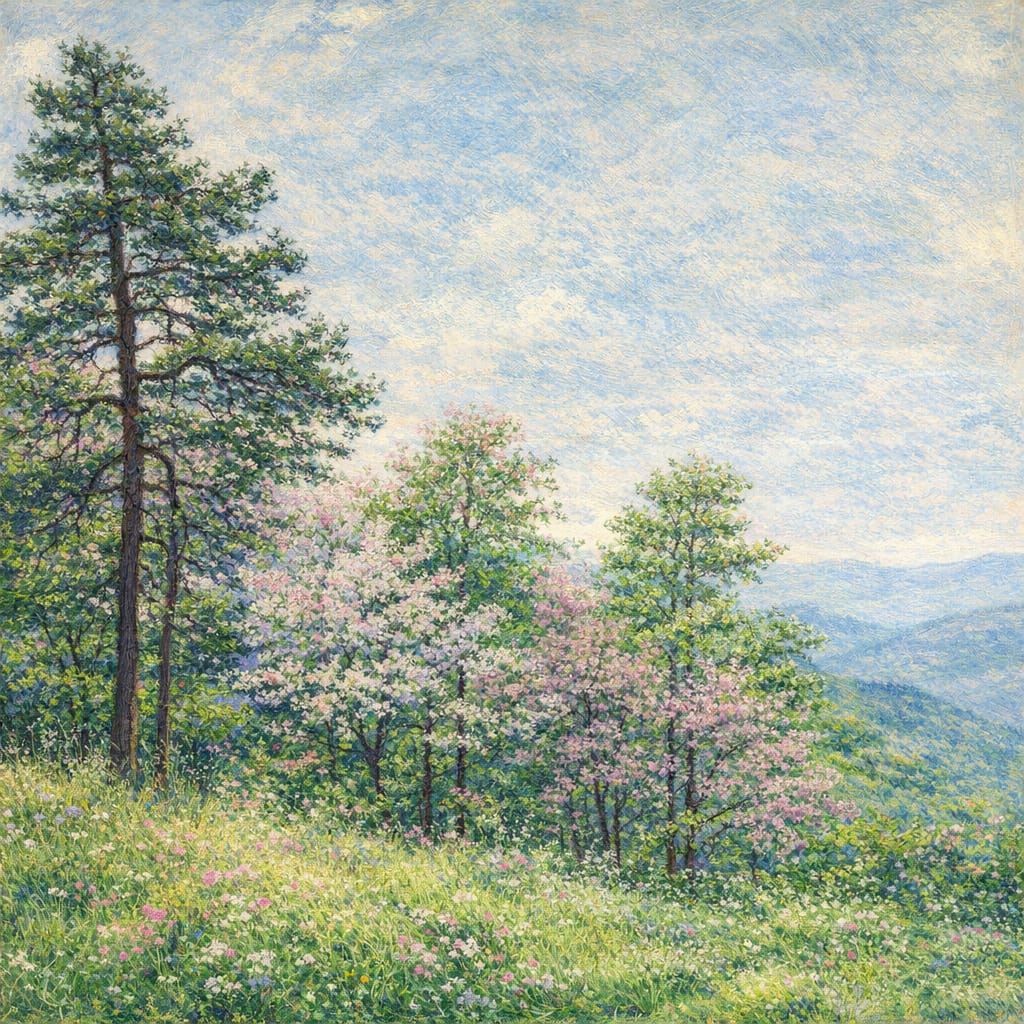
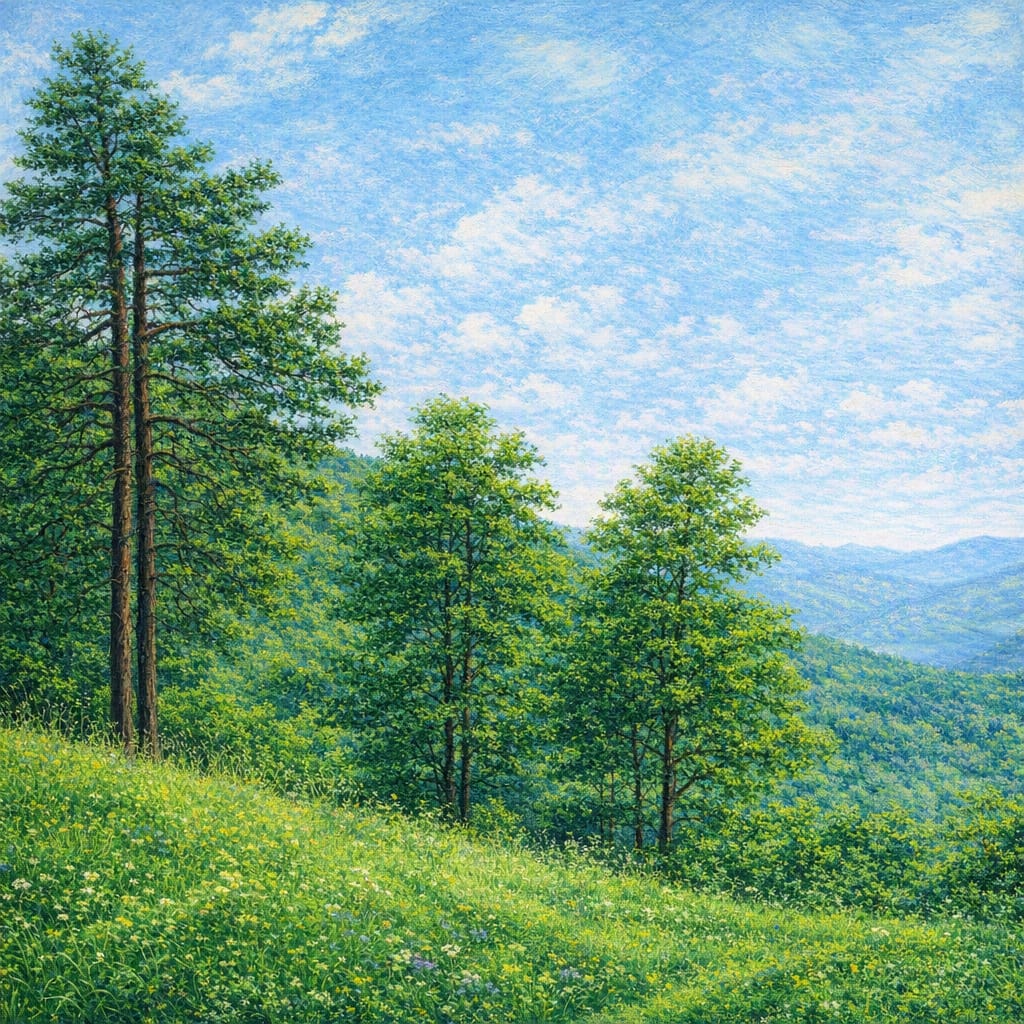
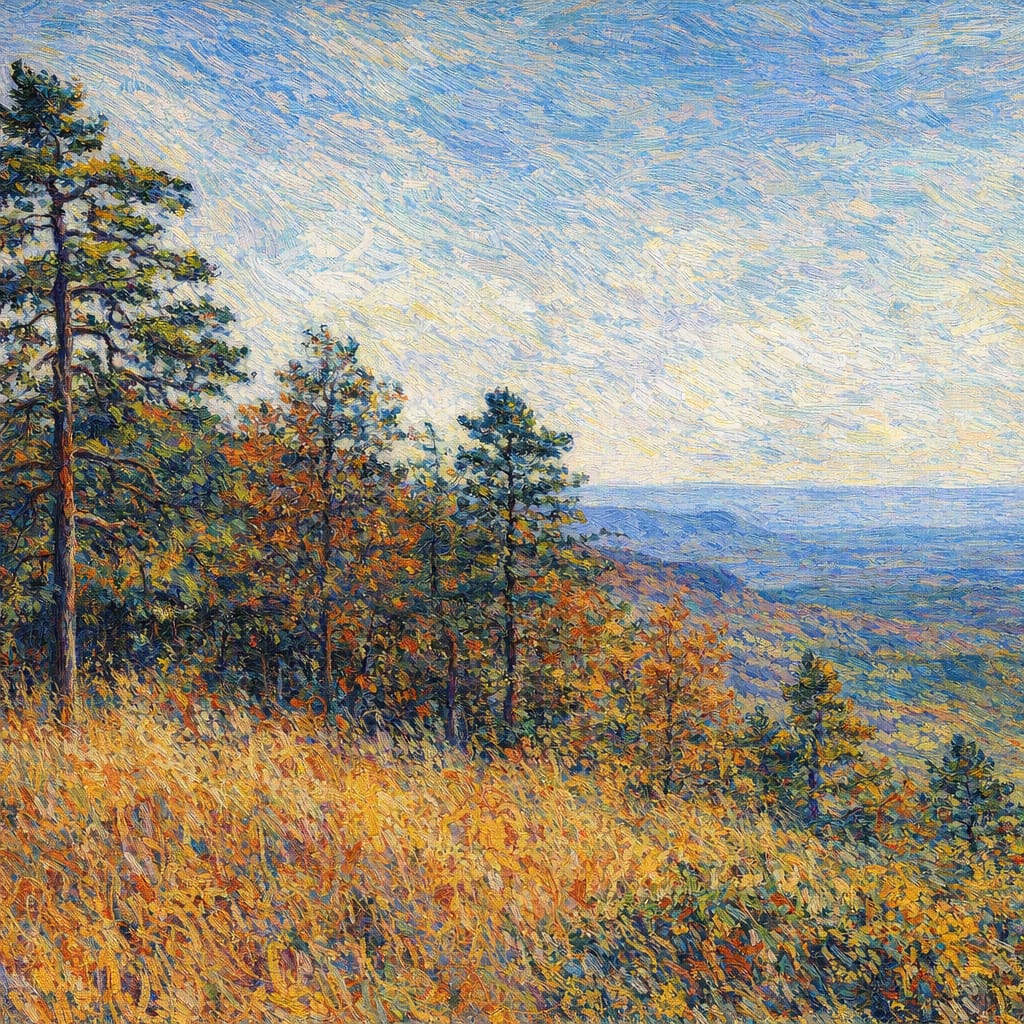
Any of these would be good choices for seasonal covers. It also occured to me that other re-stylings of the original photograph might be interesting.
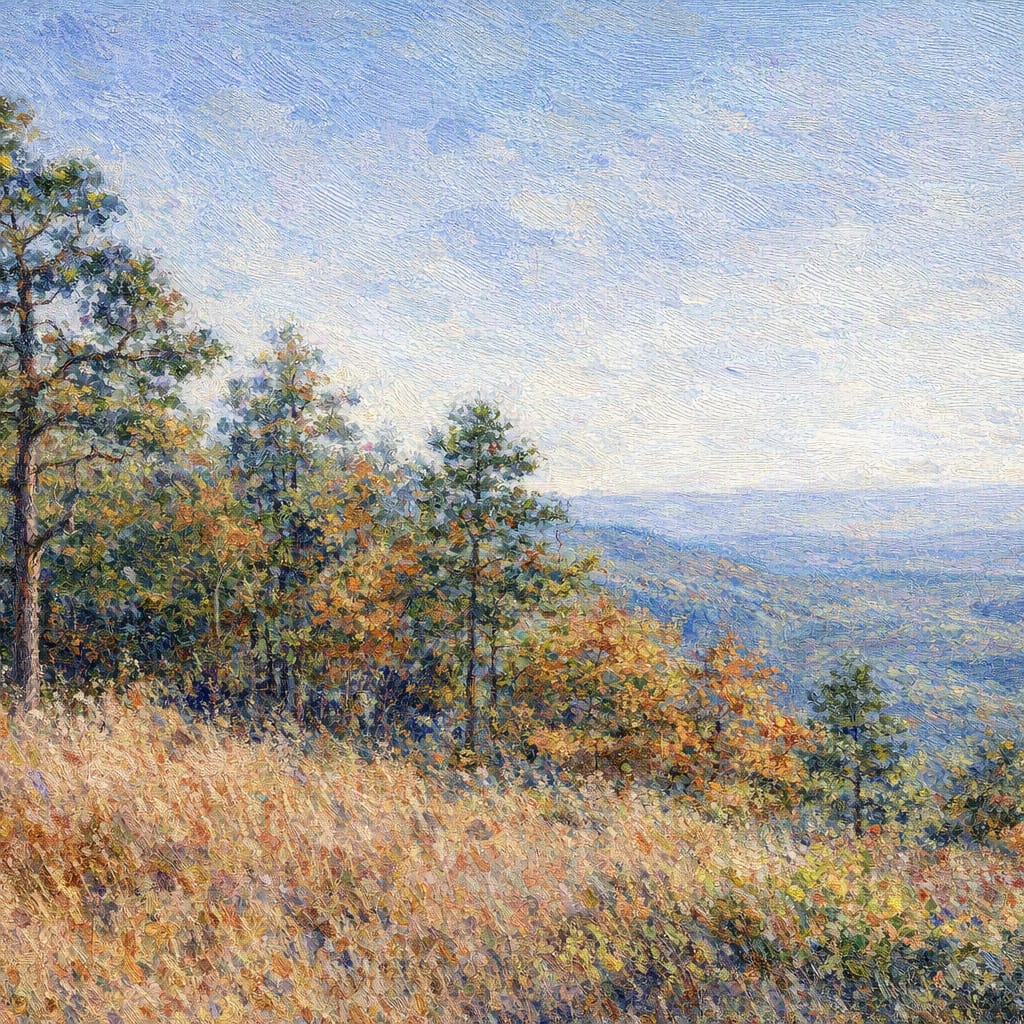
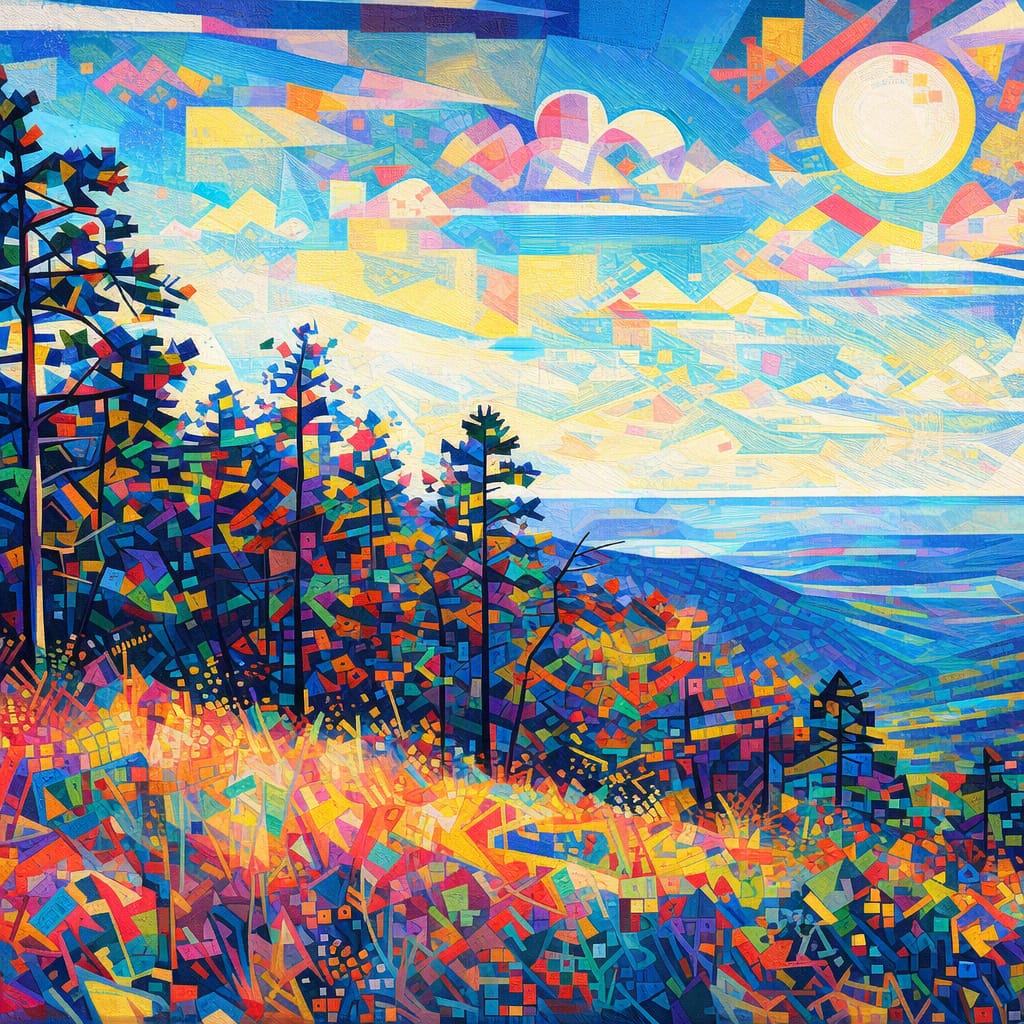
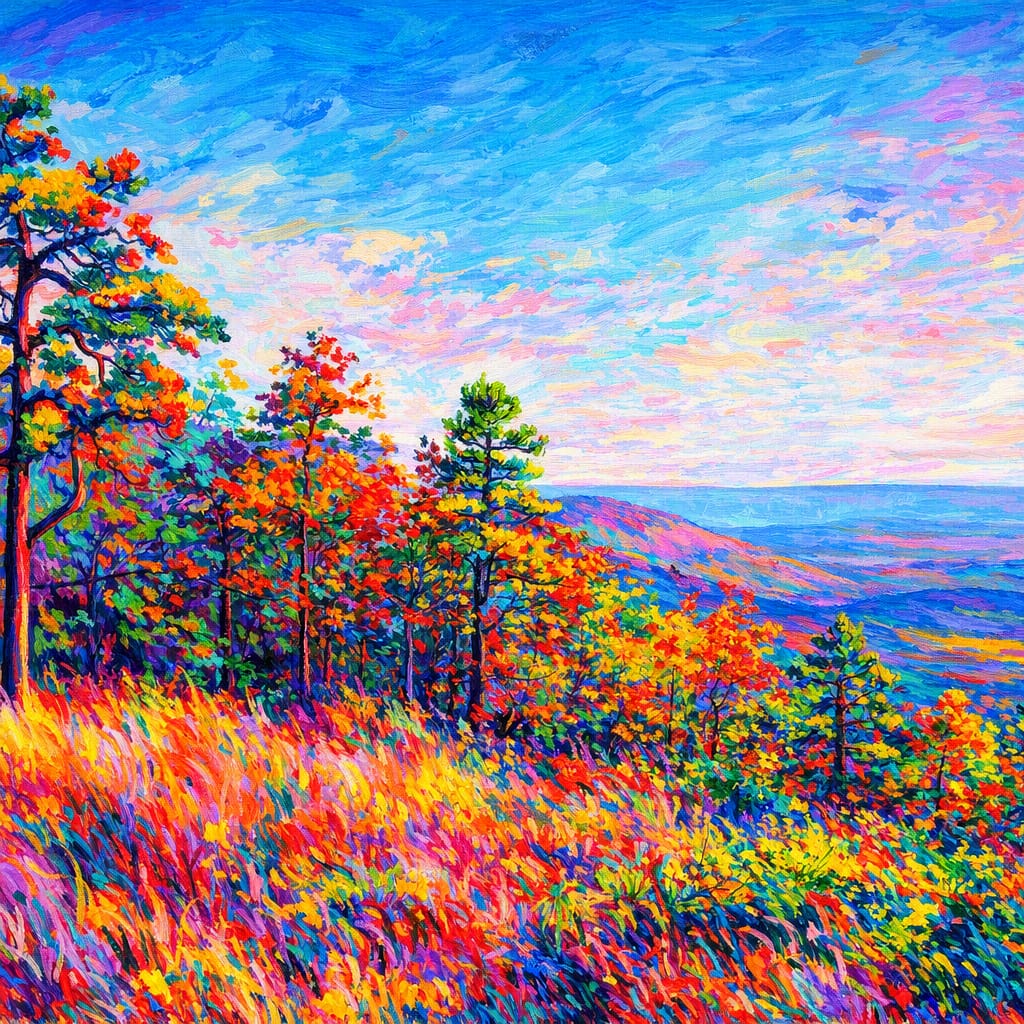
Other simpler styles of the same original might also provide future covers.
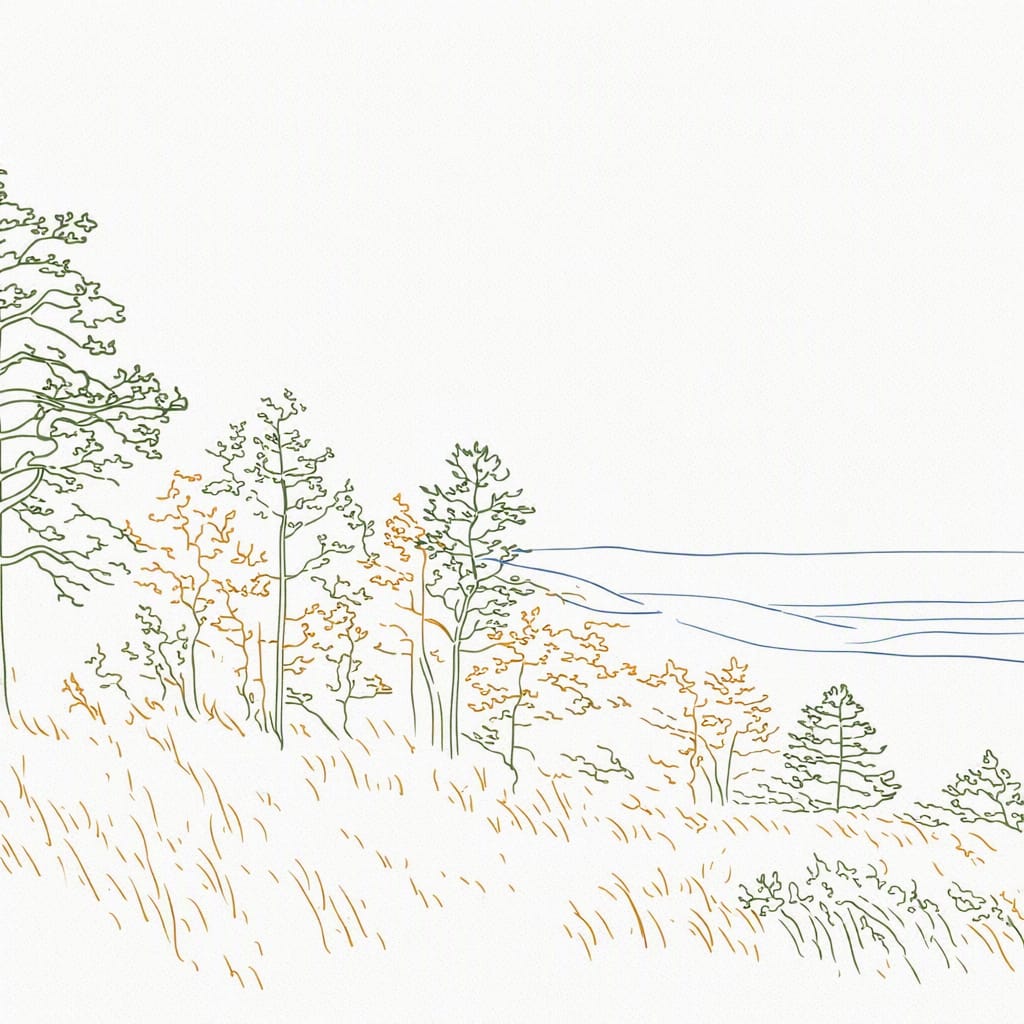
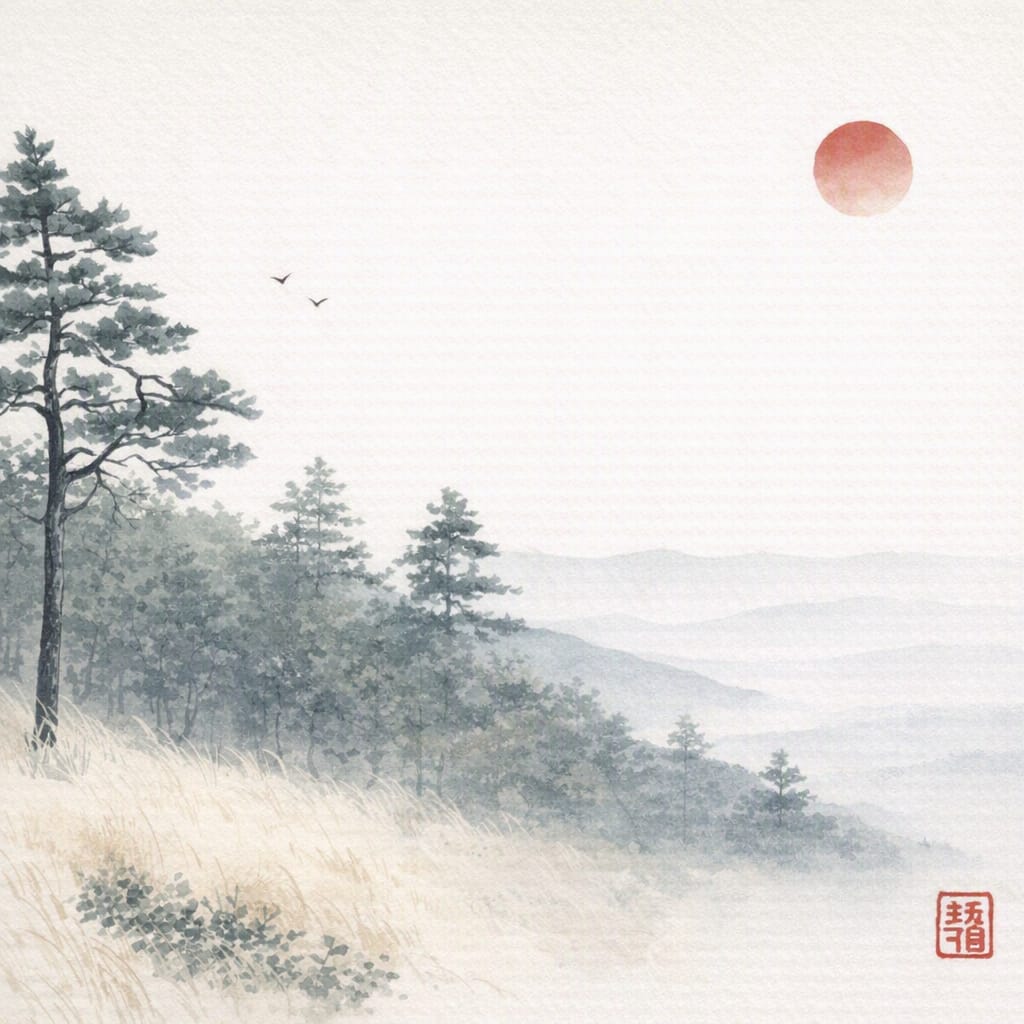
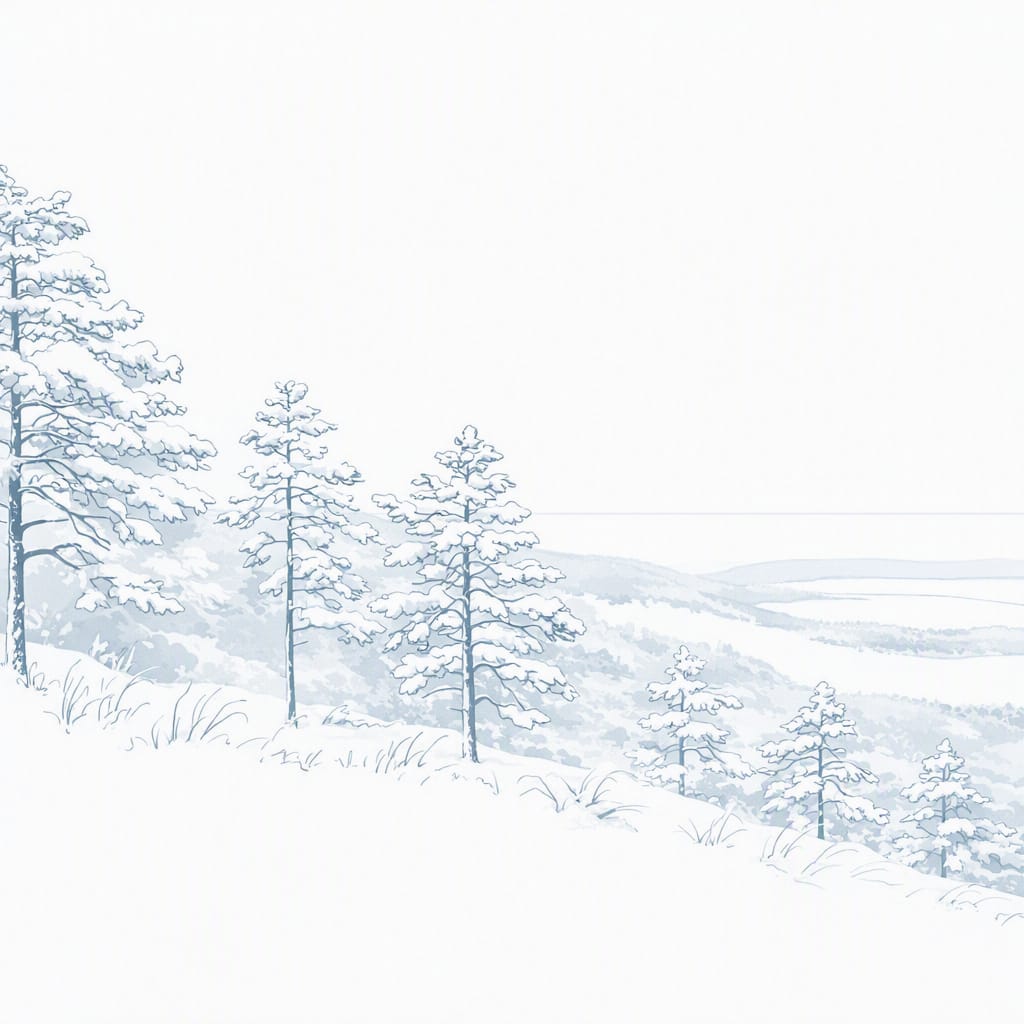
This led to experimenting with further style filters to provide further variations on the same photo.
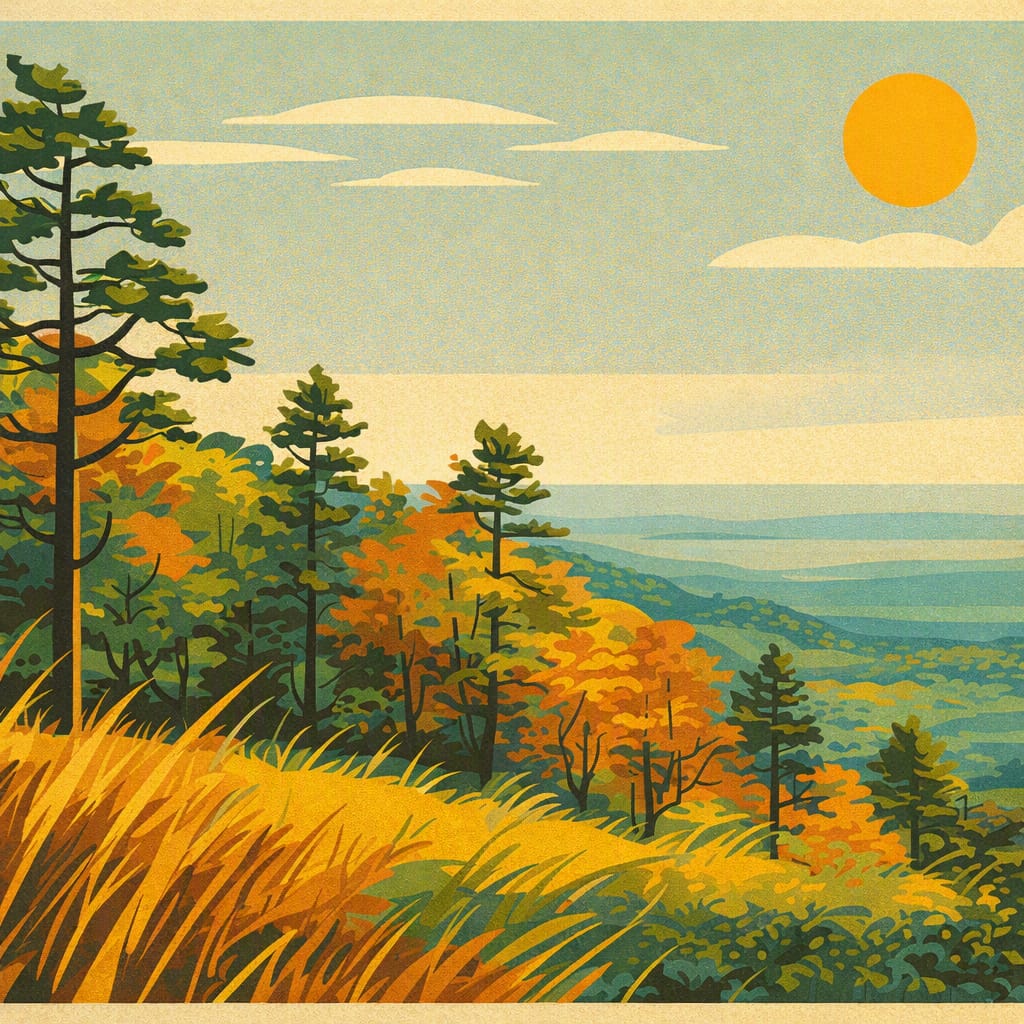
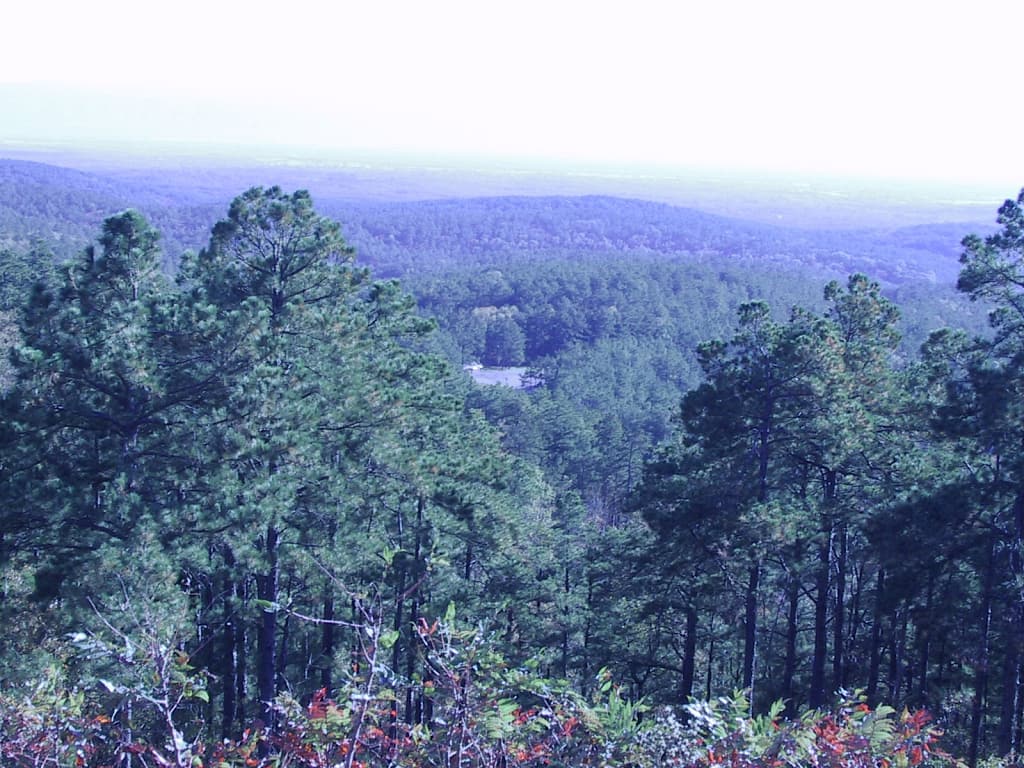
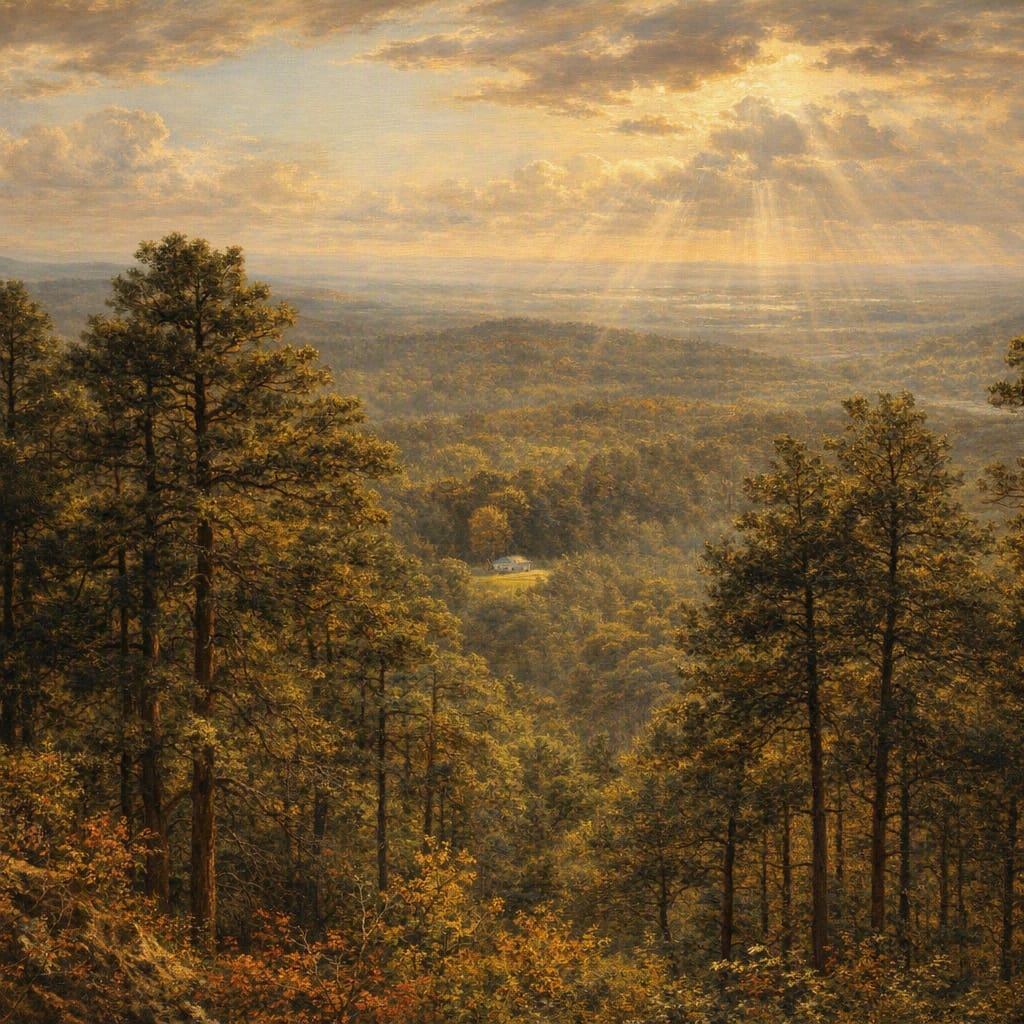
Of course, Gene took additional landscape photographs that day back in 2001 when we toured southwestern Oklahoma. Here’s a second photo and a couple of different renditions.
Comments on AI Use
Of course, we’ve used AI (along with Photoshop) in creating the above images. Photoshop has long had the capacity by itself, via filters and other effects, to achieve the same kinds of images that we’ve used AI tools to generate. Using Photoshop to achieve these effects is not controversial and, in our view, using AI is similar.
It’s reasonable to ask, then, why we do not accept stories using generative AI?
In point of fact, we have accepted a story in which the author disclosed a use of generative AI. This author is neuro-divergent and uses generative AI as an assistive technology in dealing with their particular situation. Without disclosing the particulars, I am confident that the author sets the final form of their stories and uses the technology in ways that are both appropriate and innovative. The result is work that has an original and unique voice, a voice that we have been proud to publish.
When we first launched Tales from the Crosstimbers, our publication guidelines specifically disallowed AI-generated stories, but allowed the use of AI tools provided that the author set the final from of the copy and disclosed precisely how they used AI as a tool. The US Copyright Office suggested exactly these two critera to help determine when a work meets the standard of “original human creation.”
When we posted our open call to social media, we were immediately bombarded with dozens of angry posts denouncing us for accepting AI-generated works. Note, we explicitly did not accept AI-generated works, only works that used AI assitance and disclosed how they did it. It didn’t matter. No one was interested nuance, and certainly not in the idea of adaptive technology.
It became clear that our call for submissions had become a rallying point for people who were–often justly–angry over the many ways that AI is abusing copyright and being inapprorpriately applied. Instead of being about our how publication worked with authors, our call became about AI.
Rather than argue the point, we added “no AI” to our guidelines. Once they were no longer a rallying point for opposition to AI, people began to focus on our publication, which tries to be author-friendly. Our contracts continue to have the more expansive language asking authors to disclose whether they have used generative AI and, if so, precisely how. That leaves it to our discretion to determine whether, in our view, the author has set the final form of the story.
Most publications today have a similar “no AI” prohibition their submission guidelines. This is doubtless due, at least in part, to experiences similar to ours. However, anyone who uses a grammar or spell checker is almost certainly using some form of AI assistance. Authors often use various kinds of assistance. The Hero’s Journey, for example, is a well-known outline for spirtual journeys. George Lucas famously used it in writing Star Wars. We’re at the beginning of AI, and artists and authors are bound to find new and innovative ways to use AI assistance in creating new works.
The example of photography and portariture is a historical example of how technology has changed an art form. Annie Liebowitz is no less an artist because she uses a camera. We’re still at the baby stages of this new technology. Certainly, there are dangers from the innappropriate use of this technology, but there is also enormous potential.